#1
Best Overall

We compare the best TVs of 2026 across picture quality, HDR, bright-room performance, gaming, features, and value.
We may earn a commission when you buy through links on this page. Our editorial rankings are maintained separately from retailer relationships.
Choosing the best TV is not just a question of OLED versus Mini-LED. The strongest option depends on room lighting, screen size, viewing angle, gaming needs, HDR priorities, smart-platform preferences, and current price. We evaluated 12 current televisions using the same weighted framework and use the 65-inch version as the reference size for value comparisons whenever one is available.

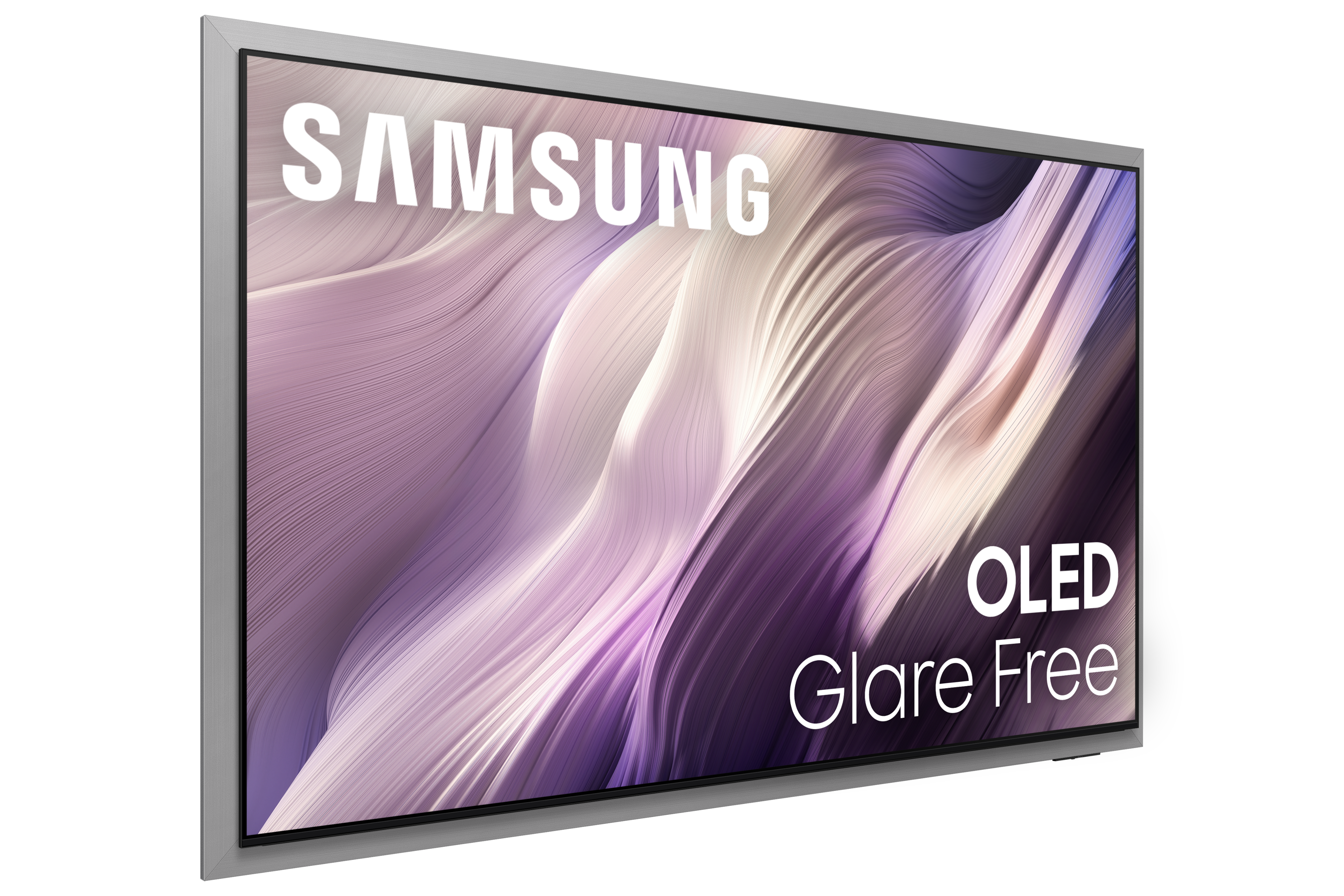


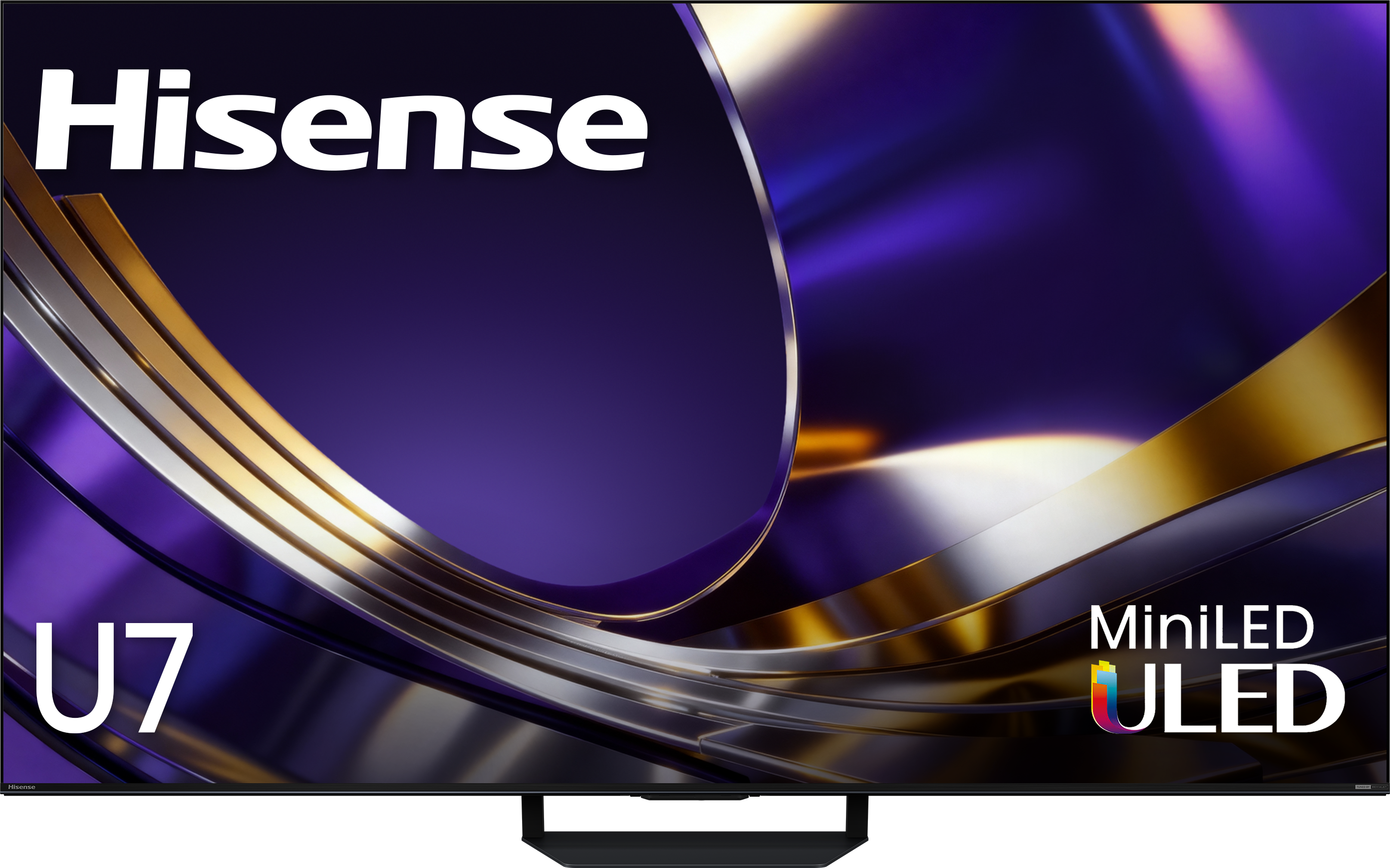
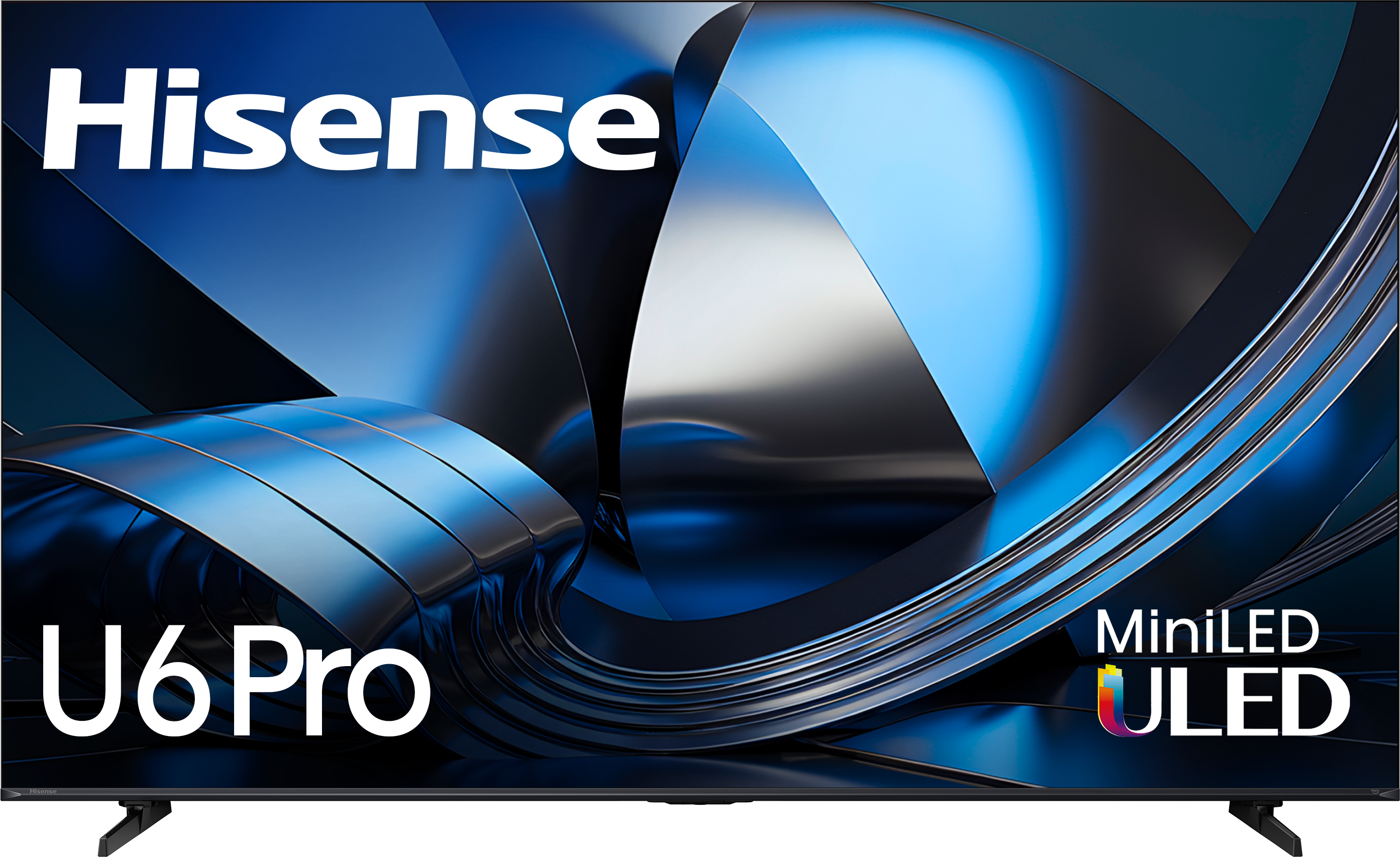
Key specifications and differences across our recommended products.
| Product | Award | Score | Display Technology | Available Screen Sizes | Native Refresh Rate | HDMI 2.1 Ports | Dolby Vision | Smart Platform | Lowest verified price |
|---|---|---|---|---|---|---|---|---|---|
| LG C6 OLED | Best Overall | 9.2/10 | OLED | 42, 48, 55, 65, 77, 83 inches | 165 Hz | 4 | Yes | webOS | $1,399.99 |
| LG G6 OLED | Best Premium OLED | 9.2/10 | OLED | 55, 65, 77, 83, 97 inches | 165 Hz | 4 | Yes | webOS | — |
| Samsung S95H OLED | Best for Gaming | 9.1/10 | OLED | 55, 65, 77, 83 inches | 165 Hz | 4 | No | Tizen | — |
| TCL QM8L | Best Mini-LED | 9.0/10 | Mini-LED LCD | 65, 75, 85, 98 inches | 144 Hz | 4 | Yes | Google TV | $1,197.99 |
| LG B6 OLED | Best OLED Value | 8.9/10 | OLED | 48, 65, 77, 83 inches | 120 Hz | 4 | Yes | webOS | $1,299.99 |
| Sony BRAVIA 9 II | Best for Bright Rooms | 8.8/10 | LCD | 65, 75, 85 inches | 120 Hz | 2 | Yes | Google TV | — |
| Hisense U7SG | Best Under $1,000 | 8.8/10 | Mini-LED LCD | 55, 65, 75, 85 inches | 165 Hz | 2 | Yes | Google TV | $997.99 |
| Hisense U6SF Pro | Best Budget Mini-LED | 8.4/10 | Mini-LED LCD | 55, 65, 75, 85, 100 inches | 144 Hz | 2 | Yes | Fire TV | $699.99 |
The best balance of premium picture quality, gaming, features, and current price
Full product review →
The LG C6 offers flagship-level OLED strengths without flagship pricing, making it the most balanced TV in our 2026 comparison.
Its excellent OLED contrast, Alpha 11 processing, Dolby Vision support, four HDMI 2.1 ports, and 165Hz gaming make it equally comfortable with movies, sports, and games.
The G6 and S95H can outperform it in specific areas, especially brightness, but they cost significantly more.
Prices are checked periodically. Older amounts are labeled with their last verification date.
| Retailer | Price | Availability | |
|---|---|---|---|
| Amazon Lowest | $1,399.99 $2,699.99 | In Stock | View deal |
LG's brightest, most refined OLED for buyers who prioritize picture quality over price
Full product review →
The G6 pushes OLED brightness, reflection control, processing, and premium design beyond the C6.
Hyper Radiant Color, Brightness Booster Ultra, Reflection Free Premium, Dolby Vision, and 165Hz gaming create one of the strongest premium OLED packages available.
Its price is much higher than the C6, so the improvement in picture quality comes with a large value penalty.
Prices are checked periodically. Older amounts are labeled with their last verification date.
We're still collecting current retailer prices for this product. Check back soon.
A flagship glare-free OLED with exceptional 165Hz gaming capability
Full product review →
The S95H combines top-tier OLED contrast and color with one of the strongest gaming feature sets in this guide.
Four HDMI 2.1 inputs, VRR, 165Hz support, excellent responsiveness, and the glare-free screen make it particularly flexible for console and PC gaming.
Samsung still does not support Dolby Vision, and the S95H remains expensive.
Prices are checked periodically. Older amounts are labeled with their last verification date.
We're still collecting current retailer prices for this product. Check back soon.
A bright, feature-rich Mini-LED alternative to premium OLED
Full product review →
The QM8L delivers very high brightness, deep local-dimming contrast, 144Hz gaming, and broad HDR format support at an aggressive current price.
Four HDMI 2.1 ports, Dolby Vision, HDR10+, Google TV, ATSC 3.0, and strong bright-room performance make it unusually complete.
Motion and off-angle viewing are not as consistent as the top OLED models.
Prices are checked periodically. Older amounts are labeled with their last verification date.
| Retailer | Price | Availability | |
|---|---|---|---|
| Amazon Lowest | $1,197.99 $2,499.99 | In Stock | View deal |
An affordable route to OLED black levels and 120Hz gaming
Full product review →
The B6 keeps the core OLED experience while dropping well below the price of LG's higher-end C6 and G6.
Perfect-black OLED contrast, Dolby Vision, 120Hz VRR gaming, and webOS give it a very strong feature set for the price.
It is not as bright or as fast as the C6 and G6.
Prices are checked periodically. Older amounts are labeled with their last verification date.
| Retailer | Price | Availability | |
|---|---|---|---|
| Amazon Lowest | $1,299.99 $1,999.99 | In Stock | View deal |
Sony's premium RGB LED TV is built for bright-room viewing and processing quality
Full product review →
The BRAVIA 9 II combines extremely strong brightness and reflection handling with Sony's processing strengths.
Its RGB LED backlight, local dimming, Dolby Vision, Google TV, ATSC 3.0, and excellent image processing make it especially compelling for sports and daytime viewing.
Its 65-inch price is very high, and only two HDMI ports provide the full HDMI 2.1 gaming feature set.
Prices are checked periodically. Older amounts are labeled with their last verification date.
We're still collecting current retailer prices for this product. Check back soon.
A high-refresh Mini-LED TV with excellent performance per dollar
Full product review →
The U7SG delivers features that normally appear in much more expensive TVs while staying below $1,000 at current pricing.
A native 165Hz panel, Mini-LED local dimming, Dolby Vision, HDR10+, Google TV, VRR, and high brightness make it one of the strongest values in the group.
Viewing angle and motion handling are less refined than the premium leaders.
Prices are checked periodically. Older amounts are labeled with their last verification date.
| Retailer | Price | Availability | |
|---|---|---|---|
| Amazon Lowest | $997.99 $1,497.99 | In Stock | View deal |
A 144Hz Mini-LED TV that brings premium-style features into the budget tier
Full product review →
The U6SF Pro offers an unusually complete specification sheet at its current price.
Mini-LED local dimming, a 144Hz panel, Dolby Vision, HDR10+, VRR, and anti-reflection treatment give budget shoppers a lot of capability.
Motion response is a meaningful weakness, so it is better suited to value-focused buyers than viewers who are very sensitive to blur.
Prices are checked periodically. Older amounts are labeled with their last verification date.
| Retailer | Price | Availability | |
|---|---|---|---|
| Amazon Lowest | $699.99 $1,099.99 | In Stock | View deal |
We score TVs across Picture Quality (30%), HDR & Bright-Room Performance (15%), Processing & Motion (15%), Gaming & Connectivity (15%), Features & Usability (10%), and Value (15%).
Current price matters because television value can change quickly when a premium model receives a large discount. Our Value score therefore uses the current market price of the 65-inch model rather than launch MSRP alone.
Scores are intended to make products easier to compare within this guide. They are not laboratory measurements and should be read together with the underlying specifications, strengths, limitations, room conditions, and price.
We evaluated 12 televisions across six weighted criteria rather than ranking models only by price, brand, or one headline specification.
We considered black level, contrast, color, accuracy, uniformity, viewing angle, and the overall quality of the image.
We considered HDR impact, highlight brightness, reflection handling, and how well the picture holds up with ambient light.
We considered upscaling, low-quality content handling, gradients, motion clarity, sports performance, and general image processing.
We considered refresh rate, HDMI 2.1 support, VRR, ALLM, responsiveness, and how easily the TV can support modern consoles and gaming PCs.
We considered smart-TV platform, HDR formats, tuner features, casting, connectivity, and everyday usability.
Value is based on the current market price of the 65-inch version whenever a 65-inch model is available. Sale pricing can change quickly, so price scores should be revisited when major promotions begin or end.
There is no single display technology that is automatically best for every room.
OLED pixels emit their own light, allowing extremely deep blacks and excellent contrast with no traditional backlight blooming. OLED is often especially strong for movies and gaming, although premium LCD technologies can be brighter in very bright rooms.
Mini-LED TVs use many small backlight zones to improve brightness and local contrast. QLED usually refers to quantum-dot color technology used with an LCD panel. These technologies can be combined in the same TV.
New RGB-backlit LCD systems use separate red, green, and blue light sources to expand color capability while retaining the high brightness advantages of LCD technology.
The right choice depends on room lighting, viewing habits, gaming needs, price, and the specific implementation rather than the label alone.
Screen size should be chosen around viewing distance, room layout, and budget rather than by assuming that bigger is always better.
A 65-inch TV is a useful reference size for our comparisons because it is widely available across premium and value-oriented lineups. Smaller rooms may be better served by 48- to 55-inch models, while larger seating distances can make 75-, 85-, or even larger screens worthwhile.
Remember that the same TV series can behave slightly differently across screen sizes because panel type, brightness, speaker configuration, or refresh capability can vary.
Brightness alone does not determine bright-room performance. Reflection handling, screen finish, local contrast, black-level retention, and viewing angle also matter.
Very bright Mini-LED and RGB LED TVs such as the TCL QM8L, Sony BRAVIA 9 II, and Hisense U7SG can be particularly effective in rooms with substantial daylight. Glare-reduction treatments on models such as the Samsung S95H and LG G6 also help premium OLEDs remain practical outside dark rooms.
For modern consoles and gaming PCs, look beyond the headline refresh-rate number.
HDMI 2.1 bandwidth is important for combinations such as 4K at 120Hz or higher, VRR, and advanced gaming features.
Variable Refresh Rate lets the TV synchronize its refresh behavior with the game system, helping reduce tearing and judder when frame rate changes.
Auto Low Latency Mode allows compatible devices to trigger a low-latency game mode automatically.
A 165Hz specification is mainly useful for compatible PC gaming. Current consoles generally do not need more than 120Hz.
HDR format support differs by brand.
LG, Sony, TCL, Hisense, and VIZIO models in this comparison support Dolby Vision on the relevant models. Samsung instead emphasizes HDR10+ and does not support Dolby Vision.
Format support should be considered alongside the TV's actual brightness, contrast, tone mapping, and color performance. Supporting more logos does not automatically mean a TV produces better HDR.
The main platforms represented in this guide are webOS, Tizen, Google TV, Fire TV, and VIZIO OS.
Most major streaming services are available across all of them, so the more important differences are interface design, advertising, device integration, casting, voice assistants, update policy, and how responsive the TV feels in everyday use.
If you already plan to use an Apple TV, Roku, game console, or other external streamer, the built-in platform may matter less.
The best TV for most buyers is the model that fits both the room and the way it will actually be used. The LG C6 provides the strongest overall balance in our current comparison, while the LG G6 and Samsung S95H push further into premium OLED performance. TCL, Sony and Hisense provide compelling LCD and Mini-LED alternatives, particularly for bright rooms and value-focused buyers.
Because TV pricing changes frequently, a model's relative value can move faster than its underlying picture quality. Recheck current 65-inch pricing before making a final decision.